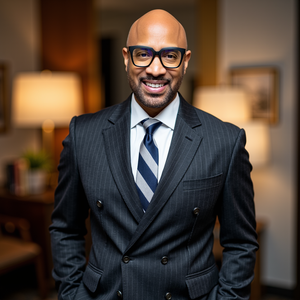
Life Coaches in 2026: The Executive’s Guide to Strategic Professional Transformation

Your current title is a ceiling, not a foundation, and 74% of senior leaders admit they can't articulate their own value in a high-stakes room. It's frustrating to hit a wall when you've done everything right. You've got the experience and the pedigree, yet your professional brand feels like a relic from 2019. This is why elite life coaches are becoming the secret weapon for executives who refuse to stay stagnant. You're invisible on LinkedIn and your resume reads like a boring history book instead of a strategic manifesto. Stop settling for a role that doesn't challenge you.
This guide shows you how to dismantle corporate stagnation and rewrite your career narrative for the 2026 market. You'll discover how to master the art of the high-stakes interview and finally secure the promotion you've earned. We're breaking down the exact roadmap for a total professional transformation, from optimizing your digital footprint to dominating your next salary negotiation. It's time to level up your impact and reclaim your trajectory. Let's get to work.
Key Takeaways
- Stop settling for basic wellness and start leveraging a strategic partnership that treats your professional growth like a high-performance mission.
- Build an unshakable Executive Presence that commands the room and positions you for the high-stakes promotions you deserve.
- Learn to distinguish generalist life coaches from elite career strategists to find the specific expertise required for corporate dominance.
- Audit your professional narrative and LinkedIn presence today to ensure you are ready to extract maximum value from every coaching session.
- Access a proven Career Change Blueprint designed to help you navigate complex transitions and secure your next executive-level breakthrough.
What Do Life Coaches for Executives Actually Do in 2026?
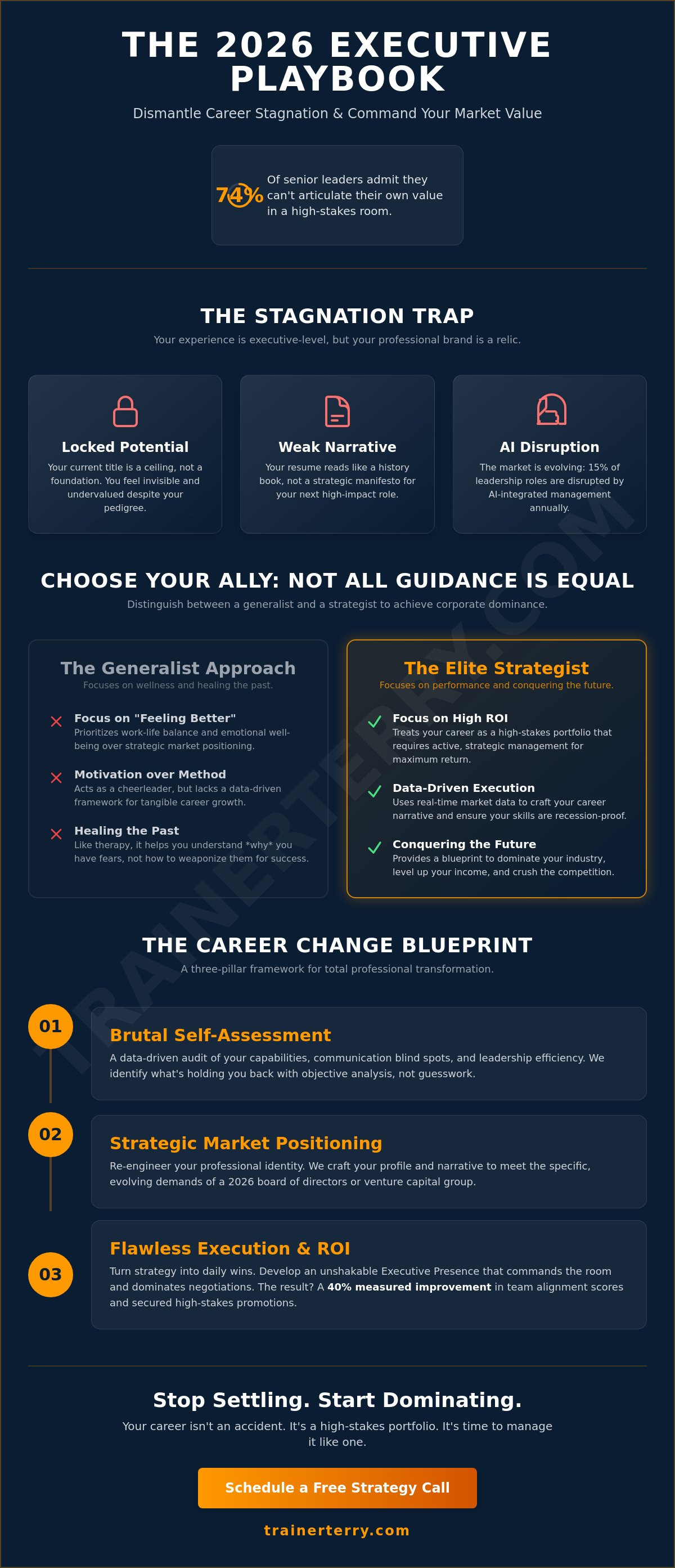
Stop viewing professional development as a "nice-to-have" luxury. In 2026, the executive market is a high-intensity arena where 15% of leadership roles are disrupted by AI-integrated management every single year. You don't need a cheerleader; you need a tactical partner who understands that your career is an asset that requires a high ROI. This is the core of What Do Life Coaches for Executives Actually Do in 2026? as they bridge the gap between where you are and where the market demands you to be.
Modern life coaches have pivoted away from "wellness-only" fluff. By 2026, the industry has matured into a performance-and-positioning powerhouse. Your coach acts as a high-performance mechanic for your professional life. They focus on three non-negotiable pillars that define your success in a volatile economy:
- Self-Assessment: This is a brutal, data-driven audit of your current capabilities, blind spots, and leadership efficiency.
- Market Positioning: We craft your profile to meet the specific, evolving demands of a 2026 board of directors or venture capital group.
- Execution: We turn strategy into daily wins. If you aren't hitting your KPIs, the strategy is worthless.
A generalist life coach might help you "feel better" about your work-life balance. A strategic career advisor, however, ensures you're the most valuable person in the room. If you're ready to stop making excuses and start hitting your targets, you need to schedule a free strategy call to map out your next move.
The Evolution of Executive Coaching
The 2026 market doesn't reward "motivation" anymore. It rewards results. Leadership is now a game of "leadership capital," where your ability to influence is quantified through 360-degree digital feedback loops and project success rates. Life coaches now use real-time market trends to pivot your career path before the industry shifts. We don't guess. We use data to ensure your skills are recession-proof and AI-compatible. Soft skills aren't just personality traits; they're measurable assets.
Coaching vs. Therapy: Choosing the Right Path
Don't confuse the two. Therapy is about healing the past; coaching is about conquering the future. A therapist helps you understand why you're afraid of failure. A strategist helps you use that fear to crush your competition. In 2026, the "Career Narrative" is our primary weapon. It's the specific, documented story of your professional impact. If you're looking for a shoulder to cry on, see a therapist. If you're looking for a blueprint to dominate your industry and level up your income, get a coach.
The Strategic Framework: How Elite Coaching Drives ROI
Your career isn't a series of accidents; it's a high-stakes portfolio that requires active management. In 2026, the most successful executives don't rely on luck. They use a Career Positioning Strategy to dictate their market value. This framework isn't about updating a resume. It's a comprehensive overhaul of how you navigate the corporate hierarchy. Top-tier life coaches function as tactical advisors who help you identify high-leverage opportunities that others miss.
Developing an Executive Presence is the first step in this evolution. It’s the invisible force that makes a board of directors lean in when you speak. You can’t fake this. It requires a rigorous Leadership Communication audit to strip away the habits that dilute your authority. Industry data from 2025 suggests that leaders who undergo these audits see a 40% improvement in team alignment scores. Citing The Career Change Blueprint: Your Path to Executive Growth, engaging a coach provides the external perspective necessary to refine these nuances. For more on the tactical side of this shift, check out our guide on Career Advice 2026.
Re-engineering Your Professional Identity
Stop defining yourself by your current job title. That’s a stagnant approach. Elite life coaches help you transition to a value-based professional brand. This means quantifying your impact in dollars and efficiency rather than years of service. During this process, you’ll uncover communication blind spots that have likely stalled your progress for years. When you fix these, your personal brand gains a level of clarity that leads to long-term life satisfaction. You’ll finally stop reacting to the market and start leading it.
Measuring Success: Promotions and Paychecks
High-level coaching isn’t a therapy session; it’s a business investment. If you aren’t seeing measurable career advancement, the strategy is failing. A refined executive presence gives you the leverage needed during salary negotiations. Statistics show that executives with specialized coaching secure compensation packages 20% to 30% higher than their un-coached peers. Career ROI is the delta between your current earnings and your untapped potential earnings. If you’re ready to close that gap, you can schedule a free strategy call to map out your next move.
Comparing Life Coaches vs. Executive Career Strategists
Stop confusing emotional support with tactical execution. Many professionals hire general life coaches when they feel stuck, hoping for a spark of inspiration. They often end up with "mindset shifts" but zero movement in their title or compensation. While some life coaches might help you find your "why," a strategist helps you find your "how much" and "when." You don't need a cheerleader; you need a tactician who understands the P&L pressures of the C-suite.
A Strategic Career Advisor operates on data and leverage. We treat your career like a high-performance engine, not a series of feelings. The objection to "generic advice" is valid because most coaches haven't closed a deal in a decade. Terry brings 15 plus years of direct corporate experience to the table. If your coach hasn't negotiated a multi-million dollar contract, they can't teach you how to do it. If you're ready to stop spinning your wheels, you should Schedule a free strategy call to see the difference between talk and results.
Criteria for Selecting Your Coach
Selection isn't about "vibes." It's about ROI. Verify that your coach has at least 12 years of "real-world" leadership before they started coaching. Look for specific methodologies like the STAR method (Situation, Task, Action, Result). Data from 2025 recruitment trends shows that candidates using structured behavioral frameworks see a 40 percent increase in offer rates. Your coach must handle high-stakes negotiation. If they can't explain the mechanics of a 15 percent salary bump, they aren't qualified to lead you.
Virtual vs. In-Person: The 2026 Reality
Proximity is a handicap in 2026. By this year, 72 percent of executive leadership roles involve remote or hybrid components. Global access to top-tier strategists outweighs local convenience every time. On-demand 1:1 video sessions provide the speed you need to pivot before a Tuesday board meeting. Virtual coaching isn't just a backup; it's a mirror of the modern leadership environment. You must lead across time zones, so you should train across them too. High-intensity video strategy sessions cut the fluff and focus on the 20 percent of actions that drive 80 percent of your professional growth.
Actionable Guidance: Preparing for a Coaching Engagement
Stop treating your first session like a casual chat. If you want to see a return on investment, you must approach your work with life coaches like an elite athlete prepares for a championship. Showing up "to see how it goes" is a waste of your time and capital. Professional transformation requires raw data and a clear baseline. Before your first Zoom call or face-to-face meeting, you need to perform a ruthless self-audit. This isn't about feelings; it's about facts. Gather your performance reviews from the last three years, identify your top five career wins, and pinpoint exactly where the gears are grinding.
Preparation ensures you don't spend the first three sessions just "catching up." You're paying for strategy, not a history lesson. By January 2026, the pace of executive shifts has accelerated by 30% compared to five years ago. You don't have months to find your footing. You need to be ready to execute from day one. This means having your "audit-ready" materials organized and your goals prioritized. If you can't define what success looks like in six months, you aren't ready to start. Get your metrics in order, clear your schedule, and prepare to be challenged.
The STAR Method: Your Secret Weapon
Mastering the STAR method is the difference between a rambling story and a knockout blow. Situation, Task, Action, and Result. This framework isn't just for junior hires; it's the foundation of executive presence. A 2025 industry report found that leaders who utilize structured storytelling are 40% more likely to secure board-level positions. Life coaches use this method to help you strip away the fluff and highlight your actual impact. You didn't just "manage a team"; you "led a 15-person department through a 20% budget cut while maintaining a 95% retention rate."
Don't wait for the interview to practice this. Start documenting your current wins using this structure every single week. It builds a narrative that proves your value with hard data. If you're struggling to translate your experience into high-impact stories, it's time to sharpen the blade. You can book 1:1 job interview prep to turn your history into a compelling strategic asset.
LinkedIn and Resume Optimization
Your digital footprint is your 24/7 sales pitch. In 2026, 88% of executive recruiters use AI-driven tools to scan profiles before they even look at a resume. If your profile isn't "market-ready," you're invisible. There's a massive difference between a "history" resume and a "strategy" resume. A history resume tells people what you did in 2018. A strategy resume tells the market what you're going to solve in 2027. Your coach will help you align your digital presence with your future trajectory, not your past roles.
- Update your headline to reflect the problems you solve, not just your current title.
- Ensure your "About" section reads like a mission statement, not a bio.
- Sync your LinkedIn skills with the specific keywords required for your target 2026 roles.
Your profile must be optimized before you start networking. Sending a connection request with an outdated profile is like showing up to a gala in gym clothes. For a deep dive into modern networking, read this guide on How to Use LinkedIn in 2026. Once your materials are locked in, you're ready to play at a higher level.
Ready to stop guessing and start executing? Schedule your free strategy call today and let's build your 2026 roadmap.
The Career Change Blueprint: Your Path to Executive Growth
Stop guessing with your career. You don't have three years to waste on trial and error while the market moves past you. My Career Change Blueprint is a tactical system designed to move you from where you are to where you belong. If your goal is climbing the ladder within your current organization, the Career Advancement Blueprint provides the internal promotion strategy you've been missing. Industry data shows that 74 percent of new executive hires struggle within their first 18 months because they lack a clear integration plan. My blueprint eliminates that risk by replacing "hoping for the best" with a repeatable, data-driven process.
Why a Structured Program Beats Random Advice
Generic life coaches often provide "feel-good" sessions that lack a concrete finish line. That isn't how I operate. You need a multi-week curriculum that drives sustained behavioral change through progressive professional load. My programs use a 12-week structure to ensure you aren't just talking about growth; you're executing it every single day. We provide the high-level accountability that one-off sessions simply cannot match. You can explore the full breakdown of these methods in my guide on Strategic Career Coaching Services. We treat your career like a high-performance training camp. No fluff, just results.
Final Steps: Booking Your Strategy Call
Your transformation starts with a focused strategy call. We don't do fluff; we identify your specific bottlenecks and see if you're a fit for the program. This is where we apply the "No Kifogás" mindset. Either you want the results or you want the excuses. You can't have both. In 2026, the most successful leaders are those who treat their own development as a non-negotiable line item. Investing in yourself is the only way to increase your value as an executive asset. Many life coaches will tell you to wait for the universe to provide, but I'm telling you to take what's yours.
Stop waiting for a "right time" that's never coming. Take control of your trajectory right now. Your next level is waiting, but it won't chase you down. You have to go get it. Secure your spot in the Career Advancement Blueprint today and let's get to work on your professional breakthrough.
Stop Waiting for the Future; Master Your 2026 Career Trajectory
The executive landscape in 2026 doesn't reward hesitation or "good enough" strategies. You've seen how elite life coaches bridge the gap between current performance and market-leading dominance. It's not about vague advice. You need a blueprint built on 20 years of Corporate VP experience. This framework focuses on Red Dot level strategic positioning and specialized STAR method interview preparation to ensure you stand out. We prioritize measurable ROI because your career is your most valuable asset.
Success isn't an accident; it's a result of discipline and the right mentorship. I've spent over 2 decades in the trenches of corporate leadership. I know exactly how to navigate the complexities of executive growth. Stop guessing and start executing. You have the drive, and now you have the strategy. Let's turn your 2026 goals into your current reality. Your next level is waiting for you to claim it. Let's get to work.
Secure your executive future; Schedule your Free Strategy Call with Terry today
Frequently Asked Questions
Is a life coach the same as a career coach for executives?
No, they focus on different scopes of your development. A career coach targets specific professional KPIs, while life coaches address the holistic mental and physical performance that fuels executive success. Think of it as the difference between a tactical drill and overall athletic conditioning. You need both to win the championship in 2026. Stop separating your work from your mindset; they're the same engine.
How much do life coaches for professionals cost in 2026?
According to the 2025 Global Coaching Study by the International Coaching Federation, executive-level coaching rates average between $300 and $700 per hour. High-demand specialists often charge a premium for results-driven packages. Don't look at it as an expense. It's a strategic investment in your professional capital. You're paying for the 25% increase in productivity that top-tier guidance provides to high-performers.
Can a life coach help me get a promotion faster?
Yes, by optimizing your leadership presence and decision-making speed. Data from the 2024 Corporate Leadership Council shows that coached executives are 1.5 times more likely to be promoted within 18 months compared to their uncoached peers. We don't just wait for opportunities. We build the discipline and the executive engine that makes your advancement inevitable. Level up your output and the title follows.
What is the STAR method and why do coaches use it?
The STAR method stands for Situation, Task, Action, and Result. It's a structured framework used to quantify your achievements during high-stakes interviews or performance reviews. Coaches use it because it forces you to stop being vague and start being data-driven. If you can't measure your impact with concrete numbers, you haven't mastered the role yet. It's about showing the scoreboard, not just playing the game.
Is virtual life coaching as effective as in-person sessions?
Research from the Journal of Medical Internet Research in 2024 indicates that virtual coaching yields a 95% satisfaction rate, matching in-person results. Digital sessions eliminate travel friction and allow for real-time support when you're facing a crisis. It's about efficiency and global access to the best mentors. Distance is no longer an excuse for stagnation. Get on the call and do the work.
How long does it take to see results from a career coaching program?
You'll notice mindset shifts within 3 sessions, but tangible professional ROI typically manifests after 6 months of consistent work. A 2023 study by the Institute of Coaching found that 86% of companies saw a return on investment within the first year. True transformation isn't a sprint. It's a programmed build that requires 100% commitment to the process. Stick to the plan to see the breakthrough.
Will a life coach write my resume for me?
No, a professional coach provides the strategy while you execute the content. We identify the 5 core power metrics that make your resume stand out to AI-driven recruitment filters used by 99% of Fortune 500 companies. I'll give you the blueprint and the feedback. You do the heavy lifting to ensure you actually own the skills you're claiming. Ownership is the first step toward leadership.
Do I need a life coach if I already have a mentor?
Yes, because a mentor shares their past experience while a coach builds your future capabilities. Mentors are often internal and biased by company politics, but life coaches provide objective, external pressure to keep you evolving. Think of a mentor as a map and a coach as the engine. You need both to navigate the 2026 corporate terrain successfully. Don't let your growth plateau because you're comfortable.
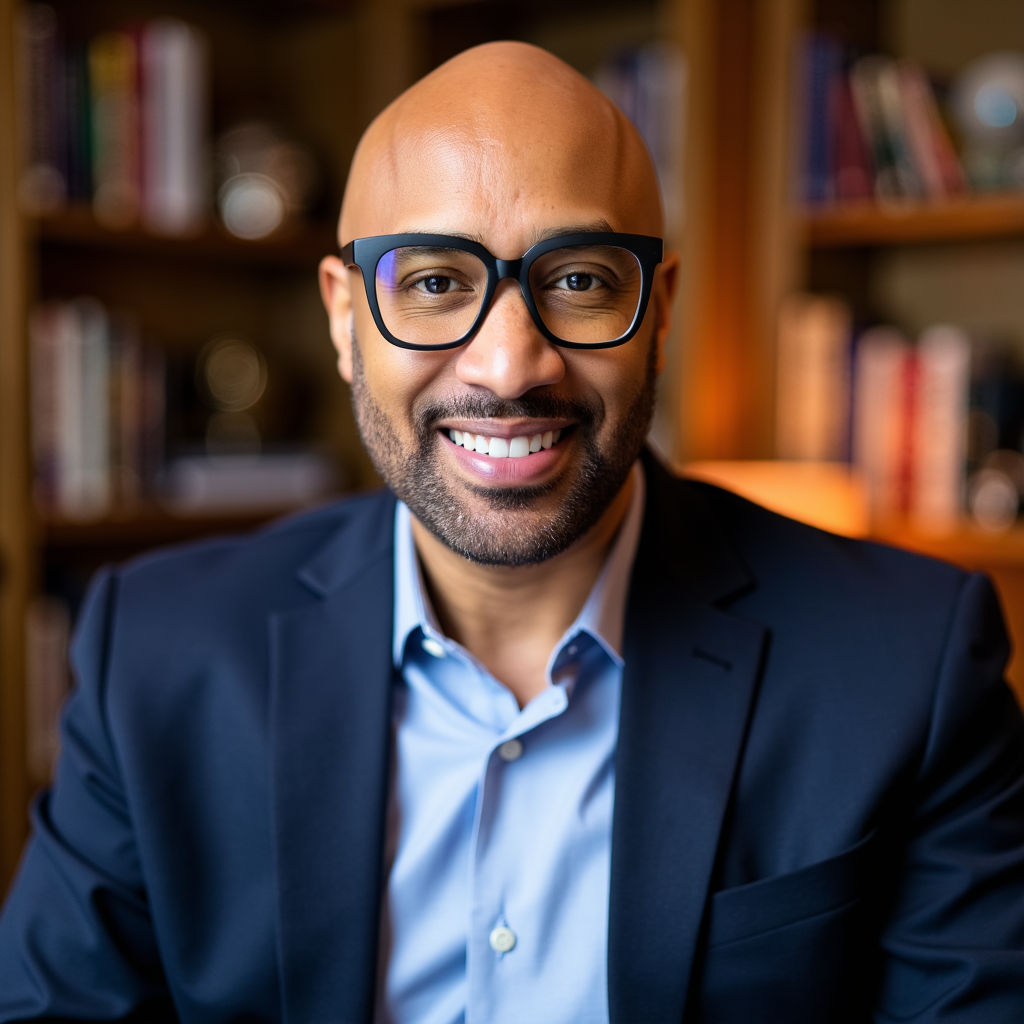
Article by
Terry Jones
Terry Jones is the Founder and Chief Career Strategist of the Career Advancement Blueprint and Executive Coach and Lead Consultant at FireBridge Consulting.
As an ICF Certified Accredited Career Coach and Certified Master Career Services professional, he partners with professionals at all levels, including senior leaders and executives, to navigate career transitions, secure new opportunities, and position themselves for advancement. His approach goes beyond surface level coaching, focusing on how individuals think, communicate, and lead so they can operate with clarity, authority, and strategic intent in high stakes environments.
In his work as an executive coach, Terry engages in high impact advisory conversations that help leaders strengthen decision making, elevate their presence, and align their leadership style with organizational expectations. He is known for helping clients translate their experience into influence, ensuring they are not only seen for what they have done, but trusted for what they are capable of leading next.
With over 20 years of corporate experience, including serving as a Vice President and leading Learning and Development functions for three New York City organizations, Terry brings a deep understanding of how companies evaluate talent, develop leaders, and make promotion decisions. This allows him to bridge the gap between individual ambition and organizational reality.
His insights have reached over 630,000 followers and generated more than 70 million video views, where he shares direct, experience driven guidance that helps professionals think differently and take action.